
Decoding the Campaign: Cycles, Operations, and Time Management in Star Wars Zero Company
Master the strategic layer of Star Wars Zero Company. Learn how to manage Cycles, balance Main Missions with Operations, and keep your custom Clone Wars squad alive.
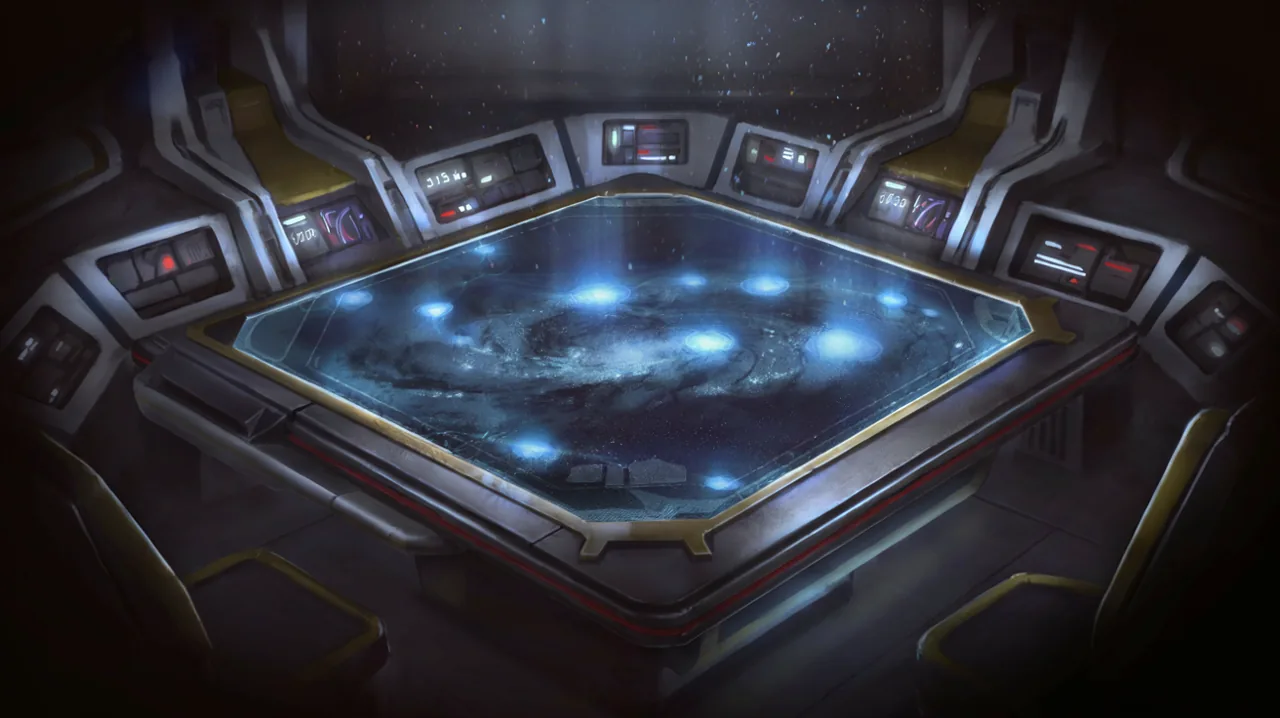
Star Wars Zero Company has officially launched, bringing a grueling, turn-based tactical vision of the Clone Wars to PC, PlayStation 5, and Xbox Series X|S. While pre-release discussions heavily favored the boots-on-the-ground combat—trading plasma fire, utilizing cover, and executing flank maneuvers—the reality of Bit Reactor’s design is that battles are often decided long before the dropship ever leaves the hangar. The core of the game lies in its campaign structure, built around careful time management, resource allocation, and a progression loop governed by Cycles, Main Missions, and Operations.
For anyone stepping into the role of Commander Hawks, understanding how time flows inside The Den is the most important skill you can learn. Whether you are a hardened strategy veteran or a fan experiencing this genre for the first time, mastering the strategic layer is your true test against Kundri Fathom’s forces.
The Flow of Time: Understanding Cycles
In the overarching campaign, time is measured strictly in “Cycles.” You can view a Cycle as a standard galactic day or a singular turn on the strategic galaxy map. Virtually everything you do of consequence—from researching new equipment upgrades in The Den to deploying your operatives across the galaxy—costs time. As Cycles advance, the overarching Separatist threat continues to escalate.
The tension generated by this system stems from how you choose to spend these precious Cycles. If you focus entirely on rushing the main narrative objectives, you will inevitably find your squad severely under-leveled and poorly equipped for late-game encounters. Conversely, if you spend too many Cycles grinding for secondary resources, the strategic situation across the map may deteriorate, triggering harder enemy encounters or locking out certain mission conditions. It is a delicate balancing act that forces you to constantly weigh the immediate needs of your squad against the long-term war effort.
Main Missions vs. Operations: The Tactical Divide
When observing the galactic map in The Den, your objectives will generally fall into two distinct categories: Main Missions and Operations.
Main Missions drive the narrative forward. These are fully fleshed-out, hand-crafted tactical maps set across iconic Clone Wars planets like Christophsis, Geonosis, and Umbara. According to community testing and tracking, tackling the main story primarily on Normal difficulty will require just under 40 hours to complete. These missions feature bespoke objectives, unique environmental set pieces, and major story beats.
When you deploy on a Main Mission, the tactical combat is entirely unforgiving. You must constantly utilize high and low cover, set up overlapping fields of overwatch fire to lock down Separatist advance routes, and use your mobility to secure flanking bonuses. The game employs an action-point system that dictates how far you can move and whether you can shoot in the same turn. Because community reports indicate the maps are relatively compact, engagements happen rapidly. You rarely spend turns simply maneuvering; within moments of leaving the dropship, you are trading fire with battle droids. This pacing makes every decision—from positioning a heavy weapons specialist to utilizing a unique class synergy—absolutely vital for survival. For a deeper breakdown of squad mechanics on the grid, review our combat tactics guide.
Operations, on the other hand, function quite differently and serve as the lifeblood of your squad’s progression economy. Community feedback has noted that many Operations essentially operate as “text adventures” or auto-resolve dispatch tasks. You assign specific operatives to handle these objectives in the background while your primary squad remains available.
These Operations are vital for securing Credits, Intel, and Zone Influence across the galaxy, but their implementation has been slightly polarizing. Veteran strategy players have voiced criticism on community forums, noting that keeping so much of the game behind non-playable text adventures feels like a missed opportunity. Upgrading The Den relies heavily on purely UI-driven menus rather than the 3D base-building expansion seen in traditional genre staples, which some feel limits the depth of the strategic layer. However, this streamlined approach is arguably what makes the game remarkably accessible to beginners, stripping away the bloat of endless repetitive skirmishes in favor of a clean, resource-driven loop.
The Risk of Pushing the Story: Companion Content
One of the most critical aspects of the Cycle system is how it interacts with your roster of operatives. Zero Company places a massive emphasis on character relationships, bond systems, and squad dynamics. Your custom squad is filled with diverse personalities, ranging from cynical bounty hunters to battle-hardened Clones.
The campaign regularly places players in situations where advancing a Main Mission will force the timeline forward. Doing this prematurely can cause you to miss out on optional companion content. If you are rushing to see the next big story reveal, you might inadvertently skip crucial downtime in The Den where operators open up about their past, share their motivations, or offer unique side-quests.
There is even ongoing community speculation about whether these deep bond systems could eventually lead to companion romances, though official details on that front remain unconfirmed. Regardless of romantic inclinations, spending Cycles to engage with your team is functionally essential. Taking the time to chat with operatives between firefights not only fleshes out the rich story and setting, but it often unlocks secondary utilities or stat buffs that can completely alter the outcome of a difficult encounter later on.
Permadeath and the Medbay Rotation
You cannot discuss the campaign loop without addressing the most punishing mechanic in the game: permadeath. If an operative falls in combat and isn’t stabilized in time, they are gone forever. This isn’t simply a tactical penalty for playing poorly; it has profound strategic implications back at base.
Even if your operatives survive a grueling mission on Felucia, they are highly likely to return wounded. Wounded soldiers must spend Cycles in the Medbay to recover. This system aggressively forces you to maintain a deep, diverse bench of operatives rather than relying on a single favorite “A-Team.” You will constantly be rotating your squad composition, moving dual-class characters around to fill the gaps left by injured comrades.
This constant, mandatory rotation gives Zero Company an incredible role-playing feel. As highlighted by gaming outlets like PC Gamer, the permadeath and injury mechanics make this strategy title feel far more emotionally resonant than many traditional RPGs. The stakes are consistently high. The necessity to bench your favorite sniper because they took a bad hit from a Super Battle Droid forces you to experiment with new classes, rethink your best squad composition, and learn to utilize the entire roster of classes. (If you are struggling with the finality of character loss, check our breakdown of how permadeath works).
Managing the Economy: To Grind or Not to Grind
Credits and Intel are the primary currencies used to upgrade your four main weapon types, unlock new utility slots, and expand your capabilities in The Den. Because Operations are the primary source of these resources, there is a natural temptation to grind them out continuously to ensure your squad is overpowered before the next main story beat.
However, community consensus is quickly building around the idea of respecting your own time. Once you understand the core combat loop, grinding purely for progression can feel somewhat tedious. Some PC players have even turned to trainers and mods to bypass the repetitive resource gathering, arguing that they want to experience the hand-crafted tactical missions without the artificial padding of text-based Operations.
The key to enjoying the campaign is finding a rhythm that works for your playstyle. Complete enough Operations to keep your weapons competitive and your Zone Influence stable, but don’t feel compelled to min-max every single Cycle if the text-adventures begin to burn you out.
Saving and Autosaves: Securing Your Progress
Given the punishing nature of permadeath and the strict time management required to succeed, understanding how the game handles your progress is paramount. Zero Company features a robust saving and autosave system, but it operates under slightly different rules depending on your current location.
While you are in The Den, you have nearly full control. You can manually save your progress at almost any time before committing to a Cycle advancement, a major weapon upgrade, or an operative class change. This allows you to experiment with skill trees and resource allocation safely.
Once you deploy on a mission, the autosave system kicks into high gear. The game actively tracks your turns, meaning if you make a catastrophic tactical error—like moving out of cover and triggering three enemy overwatch shots—the autosave will likely have captured it. While traditional “save scumming” (reloading to a previous turn to undo a mistake) is entirely possible on standard difficulties, it is heavily discouraged by the game’s core design ethos, which asks you to live with your tactical failures. For newcomers, however, the ability to reload a manual save created right before a mission deployment serves as a vital safety net.
Embracing the Command Experience
The strategic layer of Star Wars Zero Company is proving to be a fascinating melting pot of game design philosophies. For strategy veterans, elements like the purely UI-driven base upgrades, the reliance on text-based Operations, and the relatively contained tactical maps might feel like a compromise compared to the genre’s most complex titles.
Yet, for the massive influx of Star Wars fans who have never touched a turn-based tactics game before, this streamlined approach is exactly what keeps them playing. The accessibility of the UI, combined with the incredibly high emotional stakes generated by the bond system and permadeath, creates a gripping narrative engine. You aren’t bogged down in spreadsheet management; you are making hard, impactful choices about whether to risk an injured operative on a critical supply run or sacrifice a Cycle to let them heal.
Mastering Zero Company requires accepting this rhythm. Respect the Cycles, manage your Operations wisely to secure vital Intel, and always ensure your roster is deep enough to survive the inevitable losses. The Clone Wars are unforgiving, but with careful planning in The Den, your squad might just make it through to the other side.