Zero Company vs XCOM: How Different Is It?
Is STAR WARS Zero Company just 'Star Wars XCOM'? We compare the two — shared DNA, key differences like the Advantage resource, Force synergies and a character-driven campaign.
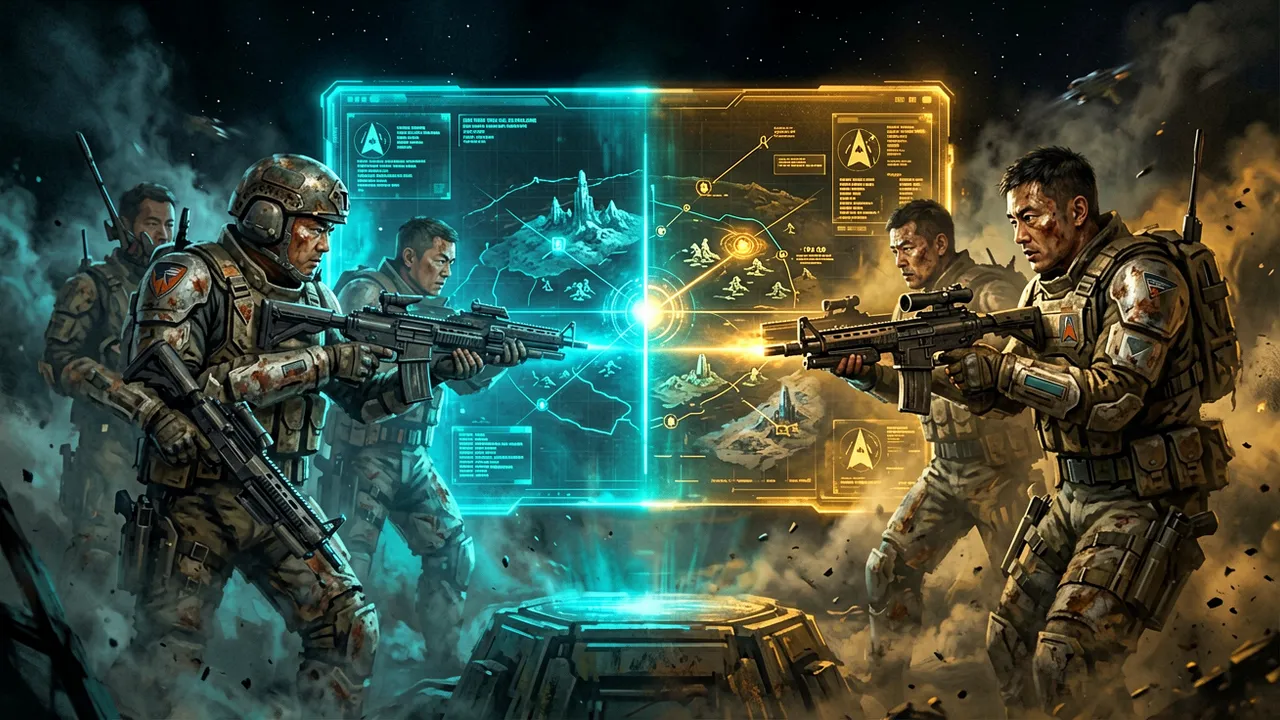
The “Star Wars XCOM” label has followed Zero Company since its reveal — and it’s not wrong, exactly. But it undersells what Bit Reactor is building. Here’s how the two compare.
What they share
The similarities are real and intentional. Bit Reactor was founded by veterans of the modern XCOM games, and it shows:
- Turn-based squad tactics with a four-operative team.
- A cover and flanking system that drives hit chance.
- Cinematic kill cams and a similar camera language.
- Permadeath — operatives can be lost for good.
- A base of operations (the Den) between missions, echoing XCOM’s Avenger.
If you love XCOM, you’ll be immediately at home.
Where Zero Company differs
The differences are where it gets interesting:
- Action points, not the two-action system. Each operative has three action points, with movement spending AP — a more granular economy than XCOM’s move-then-act.
- The Advantage resource. A shared pool you build by dealing damage and spend on big abilities, pushing a more aggressive, snowballing rhythm than XCOM’s cautious overwatch play.
- Force powers and synergies. Star Wars abilities — like pulling an enemy out of cover — that rewrite positioning in ways XCOM never could.
- A character-driven campaign. Previews compare it to Mass Effect: authored operatives, bonds and a story-forward structure, rather than XCOM’s faceless, randomly-generated soldiers.
The verdict
Think of Zero Company as built on XCOM’s foundations but aiming somewhere more personal and aggressive. If XCOM is a tense strategy sim about managing risk, Zero Company looks like a Star Wars squad drama that happens to play like a great tactics game. New to the genre? Start with our beginner’s guide.
Frequently asked questions
Is Zero Company just Star Wars XCOM?
It shares clear DNA with XCOM — the developers are XCOM veterans — but it adds a shared Advantage resource, Force-based synergies and a much stronger character-driven, Mass Effect-style campaign with bonds between operatives.