Star Wars Zero Company Features Over 150 Planets for Operations, But DLC Plans Remain Uncertain
Bit Reactor's upcoming Clone Wars tactical RPG will feature over 150 planets for side operations, though post-launch DLC remains unconfirmed by the studio.
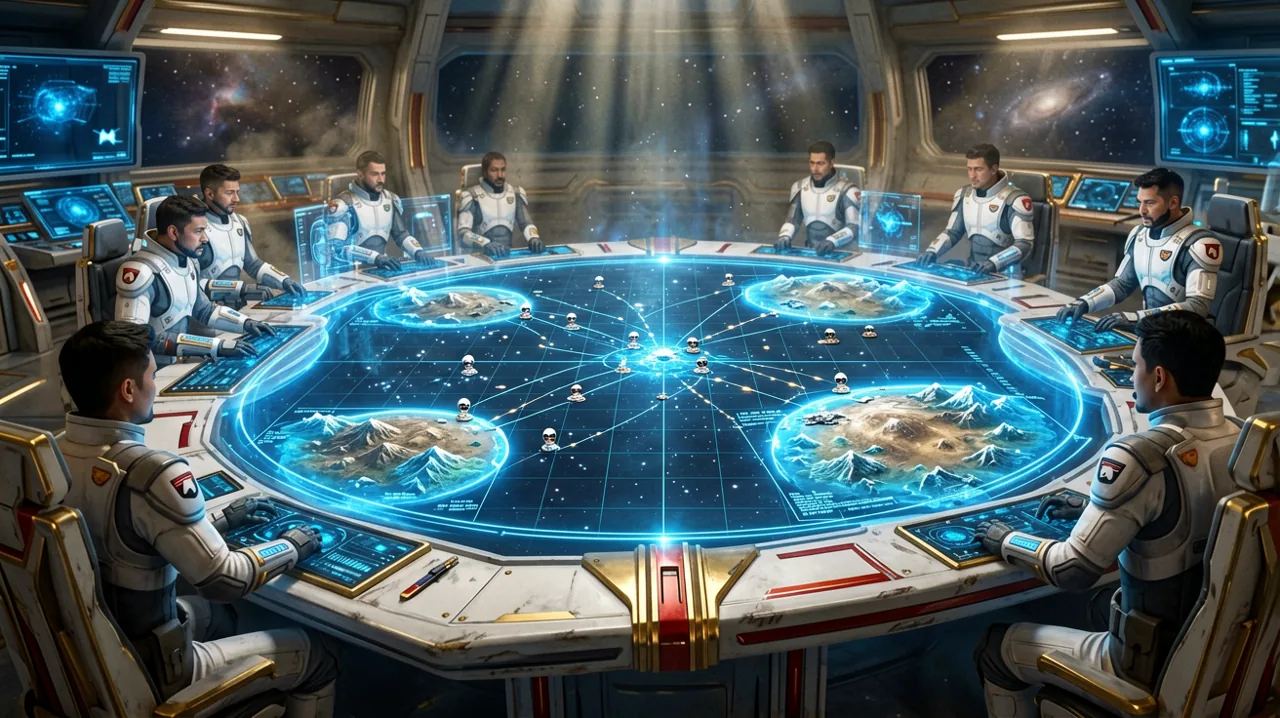
As the August 27, 2026 release date for STAR WARS Zero Company steadily approaches, developer Bit Reactor and publisher Electronic Arts are beginning to pull back the curtain on the sheer scale of their upcoming turn-based tactical RPG. Set during the tumultuous era of the Clone Wars (roughly 20 BBY), the game puts players in the boots of Commander Hawks, leading a highly customizable squad of operatives against the separatist forces commanded by the enigmatic Kundri Fathom.
While previous updates have detailed the classes, squad mechanics, and the central hub known as The Den, a recent report has shed light on the astronomical scope of the battlefield. According to a new report from GamingBolt, Zero Company will feature over 150 planets for players to conduct operations. However, the same report notes that post-launch DLC plans remain entirely “up in the air.”
For a genre that thrives on replayability, map variety, and emergent storytelling, the confirmation of over 150 playable planets is a massive development. It signals that Bit Reactor is fully leveraging the galactic scale of the franchise to deliver an unparalleled tactical experience on PC (Steam app id 2075800), PlayStation 5, and Xbox Series X|S.
The Scale of the Galaxy: Decoding the 150 Planets
When we think of the Clone Wars, we often picture major conflicts on iconic worlds like Geonosis, Christophsis, and Coruscant. While the main narrative of Zero Company—expected to run around 30 to 40 hours—will likely anchor itself to a core set of these famous locations, reaching a count of 150 planets indicates a robust system for side operations, skirmishes, and resource-gathering missions.
In traditional turn-based tactical games, map repetition can become a significant issue during long campaigns. By spreading operations across 150 distinct planetary locations, Bit Reactor seems poised to solve this problem. It is highly expected that these planets will utilize a mix of hand-crafted story maps and procedurally generated environments for side missions. This approach ensures that when you dispatch a squad of clones, Jedi, and alien mercenaries to secure a listening outpost in the Outer Rim, the layout, enemy placements, and environmental hazards feel remarkably fresh every single time.
These operations will likely be the lifeblood of your campaign progression. Securing victories across this massive roster of planets will yield crucial resources needed to upgrade The Den, research new weapon modifications, and treat wounded operatives. If you want to understand the overarching narrative context for these battles, be sure to read our story and setting overview.
Environmental Diversity and Tactical Implications
Having 150 planets is not just a cosmetic feature; it directly impacts the tactical layer of Zero Company. In a game where positioning and action points dictate survival, the environment is your greatest ally and your most unpredictable enemy.
Consider the crystalline structures of Christophsis. These formations might provide excellent heavy cover against blaster fire, but sustained plasma barrages could shatter them, leaving your operatives exposed and instantly altering the tactical geometry of the battlefield. Contrast this with the dense, towering fungal forests of Felucia, where sightlines are heavily obscured, making long-range overwatch setups significantly less effective. On Felucia, squads that excel in close-quarters flanking maneuvers will likely dominate, whereas wide-open arid worlds like Geonosis will favor snipers and heavy weapons specialists locking down long corridors.
Furthermore, extreme environments like the shadow-draped surface of Umbara could introduce visibility modifiers, forcing players to rely on scanner equipment or specific class abilities to reveal enemy positions. Every time Commander Hawks selects a new planet from the navigation table, players will need to carefully consider their squad composition. Bringing the wrong operatives to a hostile environment could result in devastating losses, a critical factor when managing the harsh realities of the game’s permadeath mechanics. You can read more about the consequences of failure in our guide on how permadeath works. For a deeper understanding of battlefield maneuvering, review our combat tactics guide.
Managing Operations from The Den
The sheer volume of available planets means that strategic resource management at the macro level will be just as important as your tactical decisions on the ground. From The Den, your customizable forward operating base, you will likely view the galaxy through a holographic interface, scanning for separatist activity across the 150 available worlds.
We anticipate that operations will be time-sensitive. You will not be able to save every planet simultaneously. Choosing to deploy your primary squad of elite operatives to a high-risk facility on Ryloth might mean leaving a civilian outpost on a lesser-known Mid Rim world to fend for itself. This triage system forces difficult decisions, a hallmark of the genre that you can explore further in our breakdown of Zero Company vs XCOM.
Furthermore, assigning back-to-back operations across different star systems will introduce fatigue to your roster. Rotating your operatives, recruiting fresh talent from the galactic underworld, and ensuring your backup squads are sufficiently geared up will be mandatory if you intend to maintain a presence across such a vast theater of war.
Post-Launch Content: Why DLC is “Up in the Air”
While the massive scale of the base game is impressive, GamingBolt’s report also highlighted a surprising detail for a modern Electronic Arts title: DLC plans for Star Wars Zero Company are currently undecided.
In an era where most major titles debut with detailed year-one roadmaps, season passes, and microtransaction schedules, Bit Reactor’s hesitance to commit to DLC might initially sound alarming to live-service fans. However, for veteran strategy players, this is incredibly reassuring news. It suggests that the development team is laser-focused on delivering a complete, feature-rich experience on day one.
When a game launches with 150 planets, a lengthy linear campaign, and deep squad customization, it arguably doesn’t need immediate content drops to justify its price tag. If the base game succeeds, DLC could eventually take the form of massive, game-changing expansions—introducing entirely new enemy factions, operative classes, and strategic layers—rather than piecemeal cosmetic packs. Until Bit Reactor officially confirms their post-launch strategy, players should expect the August release to represent the complete, undiluted vision for the game.
Community Preparation and Hardware Readiness
The revelation of the game’s massive scale has already sent ripples through the gaming community. On platforms like Reddit, users are actively preparing their systems for the release. Threads are popping up in hardware communities with players seeking advice on upgrading their older PC builds specifically to handle Zero Company alongside other heavy hitters of the year.
Because the game will feature rich tactical environments and likely rely on rapid procedural generation for its many side operations, fast load times and smooth performance will be critical. Players are prioritizing CPU upgrades and fast NVMe storage to ensure that transitioning from the strategic layer in The Den to the tactical ground combat across those 150 planets is as seamless as possible. For those looking to ensure their rigs are ready for deployment, we will be updating our system requirements page as official hardware specifications are locked in by EA.
Looking Ahead to August 2026
As we inch closer to the August 27 launch, the picture of STAR WARS Zero Company becomes increasingly clear. It is not merely a small-scale spin-off, but a massive tactical sandbox that seeks to capture the sprawling, chaotic nature of the Clone Wars. With 150 planets providing the battleground and a deep, class-based tactical system governing the skirmishes, Bit Reactor is setting a high bar for licensed strategy games.
While the lack of a definitive DLC roadmap leaves the future of the game beyond 2026 a mystery, the sheer volume of content promised for launch day ensures that Commander Hawks and the operatives of Zero Company will have their hands full for a very long time. We will continue to monitor official channels and community updates as we prepare for deployment. Stay tuned to the Wiki for more insights into the classes, enemies, and strategies you will need to survive the galactic conflict. For a comprehensive look at everything confirmed so far, visit our everything we know hub.