
Star Wars Zero Company Crosses 1 Million Sales: Breaking Down the PC Dominance and Bit Reactor's Bittersweet Milestone
Star Wars Zero Company has reportedly crossed 1 million copies sold. We break down the PC-dominated sales, community tactical debates, and the studio's future.
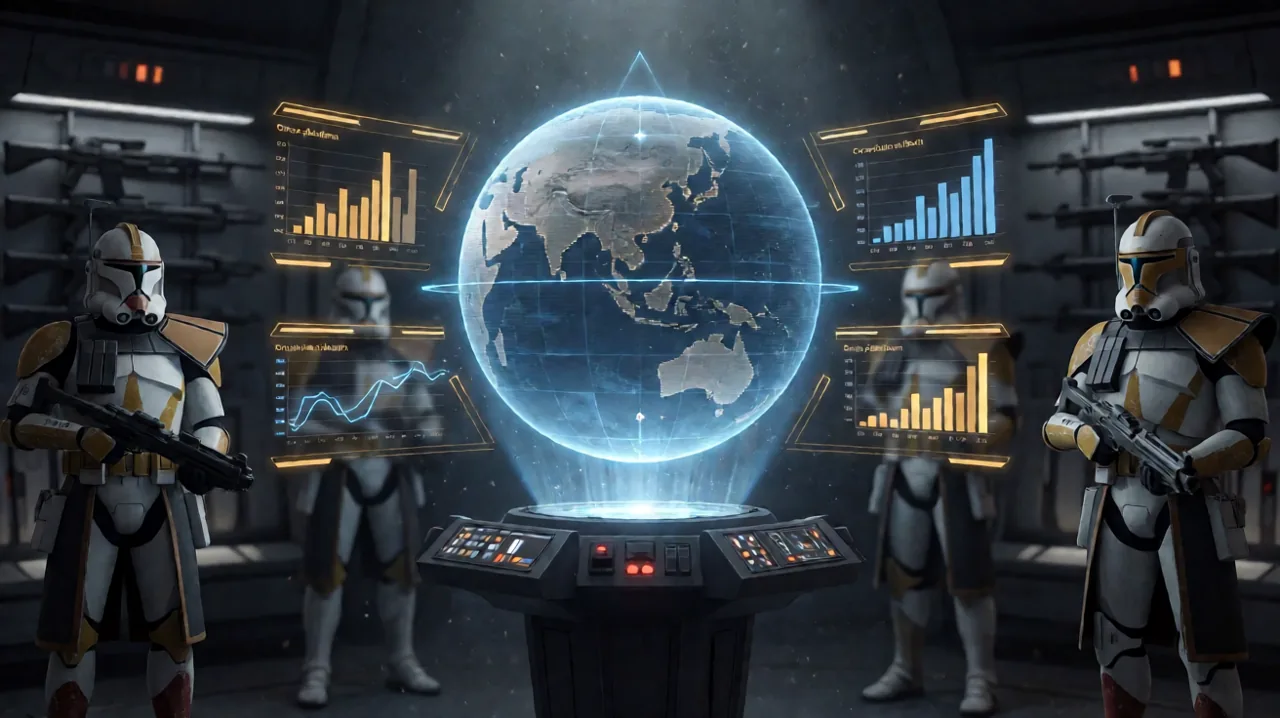
Bit Reactor’s highly anticipated foray into the turn-based strategy genre is paying off handsomely. Released on August 27, 2026, Star Wars Zero Company has officially cemented itself as a commercial success. Set against the chaotic backdrop of the Clone Wars in 20 BBY, the tactical RPG has reportedly surpassed 1 million copies sold worldwide. This milestone arrives less than a month after launch, marking a massive victory for a niche genre that demands patience, spatial awareness, and rigorous squad management.
We are looking at an estimated $49.8 million in gross revenue, proving that players are eager for deep, strategic experiences set in this era. This financial performance is a testament to the development pedigree of Bit Reactor, a studio formed by veterans who previously worked on genre-defining titles. They took a massive risk by slowing down the traditionally fast-paced combat typical of the franchise, translating chaotic blaster firefights into a calculated, grid-based puzzle. That gamble has clearly resonated with the broader strategy community.
The PC Dominance and Revenue Anomalies
According to data compiled by Alinea Analytics and discussed heavily across industry publications, the platform split tells a fascinating story about the game’s core audience. PC gamers overwhelmingly make up the player base, with Steam accounting for a staggering 69.9% of unit sales. PlayStation 5 holds 19.9% of the pie, while the Xbox Series X|S trails at 10.2%.
This heavy PC bias isn’t entirely surprising. The grid-based movement, intricate line-of-sight calculations, and heavy reliance on overwatch webs are mechanics that traditionally thrive on mouse and keyboard. If you want a deeper look at how the systems compare to genre giants, check our Star Wars Zero Company vs XCOM feature.
Interestingly, while consoles represent a much smaller share of the raw unit sales, they are punching slightly above their weight in revenue contribution. Analysts point out that console copies likely maintained a stricter adherence to the $50 MSRP, whereas Steam’s regional pricing models slightly diluted the per-unit revenue globally.
Regardless of where they play, users are spending massive amounts of time inside the Den, Commander Hawks’ customizable mobile base. This is where the true preparation for the Clone Wars happens. Between missions, players are sinking credits and Intel into upgrading weapons, researching new armor plating, and tweaking their operator rosters. The meticulous nature of managing a mercenary outfit—balancing the payroll while ensuring your heavy gunners have enough thermal detonators for the Ryloth siege—creates an addictive loop.
A Bittersweet Victory for Bit Reactor
While reaching a million copies is cause for celebration, the mood surrounding the developer remains complex. Recent reports from Kotaku and Eurogamer highlight the juxtaposition of the game’s commercial triumph against the backdrop of earlier staff furloughs at Bit Reactor.
Industry analysts talking to IGN have deemed the 1 million mark “respectable for this genre,” emphasizing that turn-based tactical games rarely pull the initial blockbuster numbers of standard action-adventure titles. The community is now actively wondering if this massive financial windfall will allow Electronic Arts and Bit Reactor to reinstate the furloughed team members and ensure long-term support, content drops, or expansions for the title.
Speeding Up the War Effort
Beyond celebrating sales figures, the active player base is busy tweaking the game to streamline the experience. As campaigns push into the 30-to-40-hour mark, encounters on heavily fortified planets like Umbara and Geonosis become massive undertakings. The enemy AI, fielding dense squads of separatist droids and Kundri Fathom’s elite mercenaries, takes its time calculating flanking routes and cover utilization.
A recent highlight from TheGamer points out that players have been actively seeking ways to make enemy turns less of a slog. Whether through hidden settings, community-developed workarounds, or simply utilizing the game’s built-in animation speed toggles, the community is sharing best practices to keep the momentum going during protracted firefights.
Fast-forwarding through a dozen battle droids repositioning behind fungal trees on Felucia, or watching heavily armored mercenaries slowly trudge across the crystal landscapes of Christophsis, is practically a requirement for late-game sanity. When you are trying to execute a flawless flanking maneuver with your stealth operatives, waiting for the AI to resolve twenty separate movement calculations can pull you out of the tactical zone. Resolving these pacing issues remains a hot topic on the forums.
The “Suicide Mission” Debate
As more players reach the campaign’s climax, discussions regarding narrative structure and tactical consequences have dominated the subreddit. A prominent thread recently explored how the final operation against Kundri Fathom could have taken a page from Mass Effect 2.
Currently, survival in Zero Company relies on strict in-combat decisions—managing your action points (AP), setting up crossfire synergies, and avoiding critical hits. For a detailed breakdown of these stakes, see our guide on how permadeath works. However, fans argue that the Bond system—which governs the relationships between your diverse crew of clones, Jedi, and alien mercenaries—should have directly dictated who lived or died during the final assault.
The idea is compelling: imagine assigning a highly trained clone operative or a rogue Mandalorian mercenary to hold a secondary objective on the map, effectively splitting your forces. If Commander Hawks spent enough time in the Den cultivating a high Bond level with that operative, their confidence, morale, and coordination would guarantee success off-screen or in a specialized mini-encounter. A low Bond, conversely, might lead to panic under heavy suppression fire and an inevitable, heart-wrenching casualty.
While the current permadeath mechanics are brutal and unforgiving—requiring you to meticulously manage cover and avoid being flanked—marrying the interpersonal narrative bonds directly to the survival odds of the final mission would have elevated the emotional weight of your customized squad. Players spend hours reviewing the all classes guide to build the perfect team, meticulously balancing medics, heavy weapons specialists, and close-quarters combatants. Testing those exact individuals in a relationship-driven finale remains a popular “what if” scenario among strategy veterans, highlighting just how invested players have become in their soldiers.
Looking Ahead
With a robust player base and stellar sales, the future of Zero Company looks promising. The community’s dedication to theorycrafting the best squad composition and mastering the 3-AP system proves that Bit Reactor hit the mechanical sweet spot. Now, the ball is in the publisher’s court to address the studio’s internal stability and perhaps look toward updates that refine the late-game pacing. Until then, Commander Hawks and the operatives of Zero Company will continue holding the line on the outer rim.