
Zero Company Was Originally a Titanfall Game: How Bit Reactor Built the Best Star Wars Story Since Andor
From a scrapped Titanfall pitch to "Andor-level" reviews and a massive 6-operator PC mod, here is the latest news for Star Wars Zero Company this week.
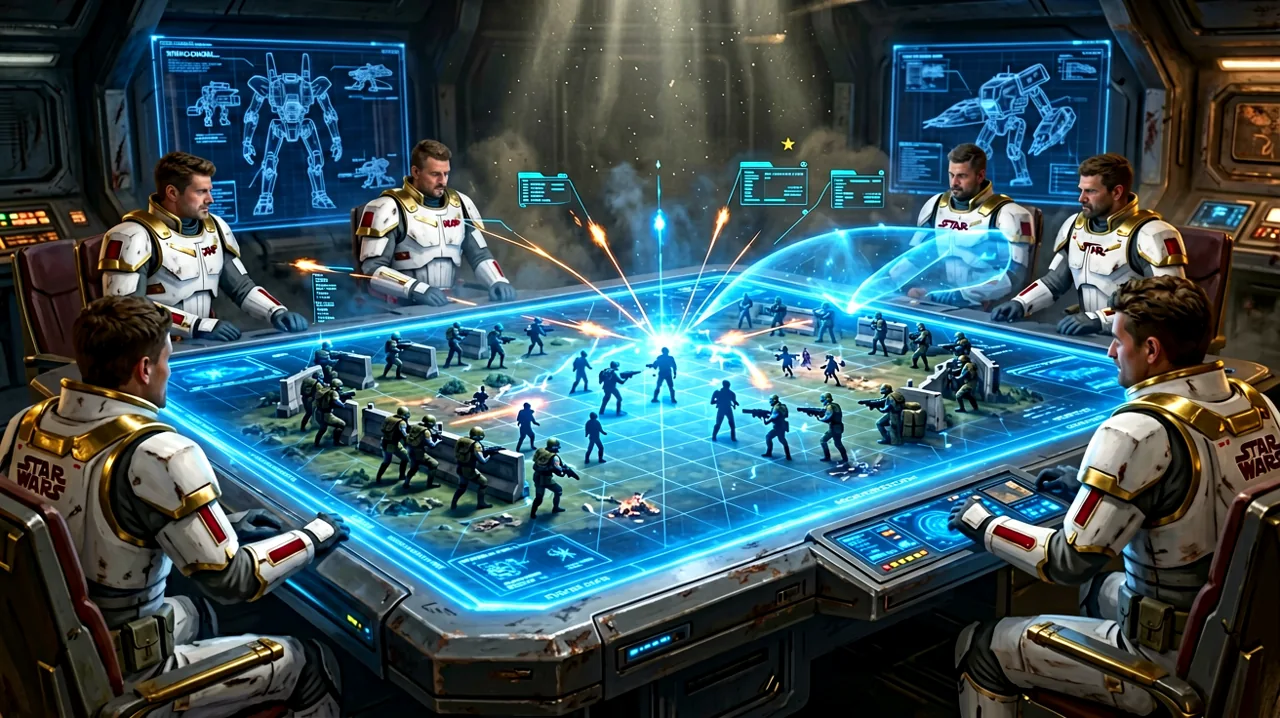
It has been exactly one week since Star Wars Zero Company deployed onto PC, PlayStation 5, and Xbox Series X|S, and the turn-based tactical landscape has already been fundamentally shifted. Bit Reactor’s debut title has shattered franchise Steam records, conquered the UK retail charts, and dominated community conversations with its deep 3-AP combat system and brutal permadeath mechanics.
But as the dust settles on launch week, a cascade of new information has surfaced regarding the game’s secret origins, its astonishing critical reception, and a rapidly evolving modding scene on PC. Perhaps most importantly, the community is grappling with the bittersweet reality facing the developers who brought this masterpiece to life. From scrapped pitches involving massive mechs to narrative heights being compared to critically acclaimed television, there is a massive amount of news to unpack from the front lines of the Clone Wars.
The Titanfall Pitch That Started It All
The most shocking revelation of the week comes from industry reports via IGN and PlayStation Universe confirming that Star Wars Zero Company was originally pitched as a Titanfall universe game. Given that Bit Reactor partnered with Respawn Entertainment—the original creators of the Titanfall franchise—this collaboration makes perfect sense in hindsight.
When looking closely at the mechanical framework of Zero Company, the DNA of Titanfall is strikingly apparent. The game’s emphasis on extreme verticality, aggressive flanking maneuvers, and the flexibility of the 3-Action Point system feels perfectly suited for highly mobile Pilots running across walls and commanding heavy mechs. When the pitch eventually pivoted to the Star Wars license, Bit Reactor seamlessly translated these concepts into the Clone Wars era.
Instead of Pilots, we now command highly trained Clone jet-troopers, agile Mandalorian mercenaries, and cunning scoundrels. The fast-paced aggression required to survive firefights on planets like Christophsis and Felucia is a direct evolution of that initial design philosophy. Players who have mastered the art of combining covering fire with rapid repositioning are essentially utilizing a tactical system built for the Frontier but perfected for the Republic. For those struggling to adapt to this highly lethal, mobility-focused combat, reviewing foundational combat tactics is highly recommended, as playing this title like a traditional, static cover-shooter will quickly result in heavy squad casualties. If you want a deeper look at how these mechanics compare to the studio’s Firaxis legacy, our Zero Company vs XCOM breakdown illustrates exactly where the Titanfall speed changes the formula.
”The Best Star Wars Experience Since Andor”
While the tactical gameplay has drawn endless praise from strategy veterans, it is the narrative tone that has caught mainstream media completely off guard. In a glowing review, Arab News declared Zero Company “the best Star Wars experience since Andor.” This is a monumental comparison, but one that players finishing the campaign are firmly echoing across forums and social media this week.
The comparison stems from how the game handles the grim, boots-on-the-ground realities of the Clone Wars. The review noted that there is “something devastating yet thrilling about watching a squad of unlikely Star Wars characters get absolutely obliterated because you made one bad tactical decision.” This is where the permadeath system elevates the narrative. When you lose an operative you recruited, upgraded, and customized in the Den, the loss is permanent and deeply felt. It creates a sense of stakes that scripted cutscenes rarely achieve.
Reddit users who have already beaten the final mission against the main antagonist, Kundri Fathom, have praised the writing for navigating heavy, mature themes without relying on typical franchise cliches. The story focuses squarely on Commander Hawks and the grassroots reality of running a private military company during a galaxy-wide conflict.
The Authored Characters—unique recruits with bespoke backstories and questlines—have been a major talking point for the community. Cly Kullervo, for instance, has sparked some debate; while she is universally recognized as an absolute powerhouse on the tactical grid, some players feel her rigid “loner” personality isolates her from the squad’s otherwise tight-knit dynamic back at the base. Despite these minor subjective criticisms, the consensus is clear: the writing team delivered a grounded, high-stakes military story that respects the intelligence of its audience. For more context on the era and the overarching conflict, you can read our overview of the story and setting.
Breaking the Rules: The 6-Operator Mod
Prior to launch, pre-release statements indicated that Zero Company would feature a linear campaign with no official mod support, leading many to believe the PC community would be locked into the vanilla experience. However, the modding community operates on its own schedule and has already cracked the game’s foundation. As reported by OpenCritic, the most popular mod currently available on PC completely removes the standard squad size limitations, allowing players to deploy up to six operatives simultaneously in a single mission.
In a meticulously balanced game built around strict deployment limits and punishing enemy encounters, adding extra bodies to your roster completely shatters the intended action economy. But for many PC players, the sheer joy of field-testing massive class synergies outweighs the need for developer-intended balance.
With six slots available, you no longer have to make agonizing choices between bringing a dedicated Medic or a heavy-hitting Assault trooper. You can field a diverse strike team utilizing almost all the classes at once. Imagine setting up a kill-zone with two Sharpshooters holding the high ground, while a pair of Gunslingers chain their Overwatch abilities in the midfield, leaving a Scout and a Soldier completely free to flank the remaining Separatist droids. It turns high-stress tactical survival puzzles into cinematic, overwhelming displays of firepower.
While we strongly recommend experiencing the campaign as intended first to properly understand the best squad composition under pressure, the 6-operator mod is a fantastic way to experiment with wild talent combinations in subsequent playthroughs. It is also a strong indicator that despite the lack of official developer tools, the PC modding scene for Zero Company has a very bright future ahead.
A Bittersweet Victory for Bit Reactor
The immense critical and commercial success of Zero Company arrives alongside sobering news from the studio behind it. Multiple outlets, including Inside Games, have reported that a significant portion of Bit Reactor’s staff has been placed on unpaid furlough immediately following the game’s launch. This ongoing industry trend of widespread layoffs and furloughs following wildly successful game releases has cast a dark shadow over what should be a massive victory lap for the development team.
The community reaction has been swift and vocal, with players organizing protests across Reddit and social media, urging publishers to treat the talent behind this massive hit with the financial security and respect they deserve. Many fans who consider this one of the best games like Zero Company to release in a decade are actively boosting the game’s visibility and leaving positive reviews specifically to ensure the developers receive their due credit in the public eye.
Despite the corporate turmoil, the developers themselves have taken to platforms like LinkedIn to express profound pride in the art they created. Tony Gaeta, an animator on the project, described the final product as “a game filled with so much passion and heart from everyone who has worked on it.” Environmental Artist Ryan Lopez shared an inspiring anecdote, recalling how CEO Greg Foertsch told him during his very first interview three years ago that they were building a “game of the year contender.”
“I believed him and I now know that is what we have accomplished,” Lopez wrote. “Everyone on the BitReactor team should be extremely proud of the work we have done. We truly have made something special.”
They certainly have. Star Wars Zero Company is not just a triumph of turn-based strategy; it is a testament to the dedication of a team that understood exactly what tactical fans wanted. As players continue to optimize the Den, conquer the campaign, and experiment with new squad builds, the legacy of Bit Reactor’s achievement will undoubtedly endure far beyond this launch window.