
Theorycrafting in Star Wars Zero Company: Community Squad Builds and Pure Tactics
Discover how the Star Wars Zero Company community is using the upcoming class system to theorycraft creative squad builds, driven by a pure tactical focus.
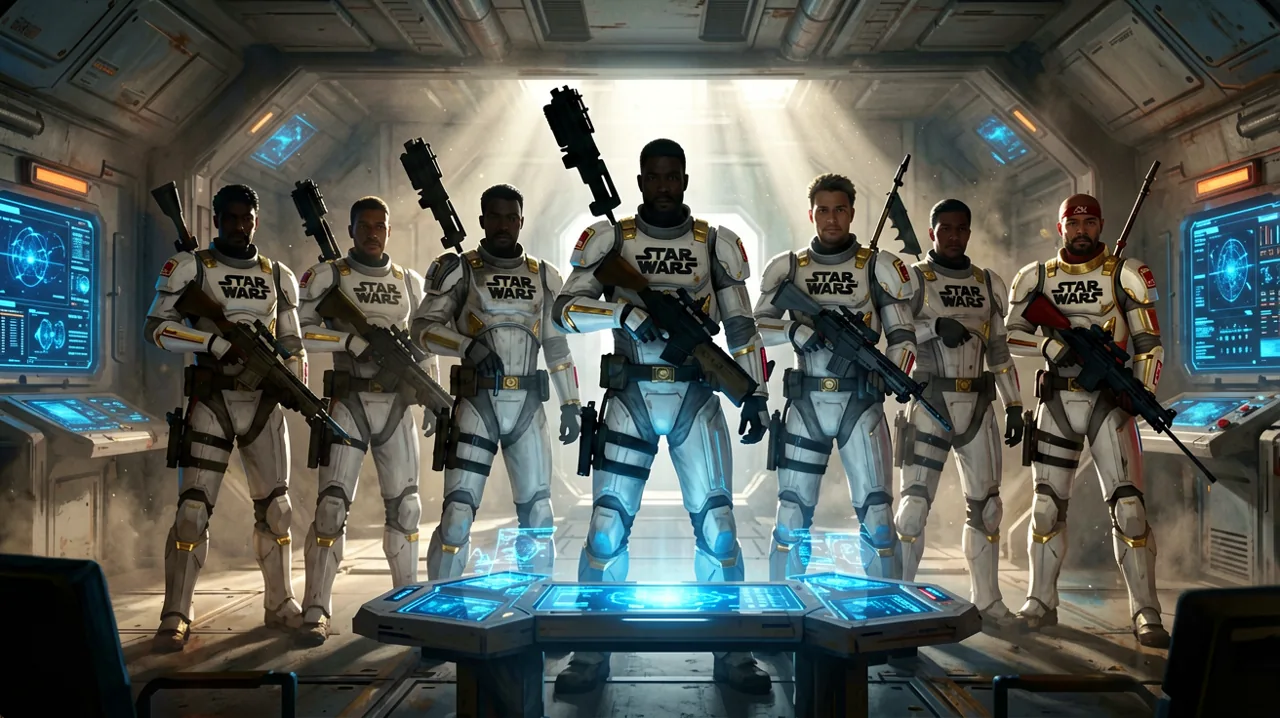
The Anticipation for Zero Company
As the August 27, 2026 release date for STAR WARS Zero Company steadily approaches, the tactical strategy community is already dissecting every available detail to prepare for deployment. Developed by Bit Reactor in collaboration with Respawn Entertainment and Lucasfilm Games, this single-player, turn-based tactical title places players in the boots of Commander Hawks during the turbulent Clone Wars era (20 BBY). Set to launch on PC (via Steam, app ID 2075800), PlayStation 5, and Xbox Series X|S, the game promises a punishing but rewarding combat experience heavily inspired by the modern XCOM formula. While recent news cycles have highlighted the game’s strictly structured narrative approach and absence of sprawling branching storylines, the most active and vibrant discussions currently revolve around the immense potential of the squad customization systems. Players are not merely waiting to experience the canon story; they are actively theorycrafting how to exploit the expected class roster to build highly specialized, synergized, and occasionally unconventional strike teams to take down the antagonist, Kundri Fathom.
Recreating Iconic Rosters Through Theorycrafting
One of the most fascinating trends emerging from the Zero Company community platforms is the attempt to map the game’s operator classes onto classic multiplayer team compositions. A recent, highly engaged discussion on Reddit detailed comprehensive plans to recreate the iconic mercenary roster from Team Fortress 2 using the game’s established and community-reported class archetypes. The confirmed class list already provides a surprisingly robust foundation for this specific kind of creative squad building. Players have noted that the Scout, Heavy, and Medic classes translate directly in terms of core functionality on the battlefield. The Soldier class, reportedly equipped with heavy explosive capabilities and rocket launchers, perfectly fills the demolition role required for clearing grouped Separatist droid forces from entrenched cover.
For precision engagements, the Sharpshooter class handles long-range threats, picking off high-value targets before they can flank allied positions. Meanwhile, the Scoundrel or Gunslinger class—expected to feature high mobility, evasion, and flanking bonuses—can closely mimic the disruptive, high-risk playstyle of stealth-oriented characters. The community is even heavily speculating on how to build specialized elemental roles utilizing the Assault class, hoping for access to incendiary weapons, flamethrowers, or deployable tech to round out their themed squads. This extensive level of theorycrafting highlights the flexibility of the recruitment system at the Den, Hawks’ central base of operations. By allowing players to recruit a widely diverse mix of clone troopers, rogue Jedi, and various alien mercenaries from across the galaxy, Bit Reactor is providing a tactical sandbox that heavily encourages players to experiment with their squad composition. Rather than forcing a rigid, predetermined playstyle, the game appears to offer the exact tools necessary to tailor the squad to highly individual tactical preferences, provided players can properly balance the inherent strengths and weaknesses of their chosen classes on the battlefield.
Prioritizing Pure Tactics Over Non-Linear Narrative
The intense drive toward complex class theorycrafting is fully supported by recent reports regarding Bit Reactor’s core design philosophy. According to a detailed report from ixbt.games, the developers made the deliberate choice to abandon overly complex, novel-like non-linear narrative structures in favor of deep, refined tactical gameplay. Rather than focusing development resources on sprawling branching storylines, multiple endings, or massive dialogue trees, the team has reportedly prioritized refining the core turn-based combat loop. This pivotal decision guarantees that the tactical layer—utilizing dynamic cover, establishing overlapping overwatch kill zones, executing precise flank maneuvers, and managing individual action points—takes absolute center stage.
In a modern gaming market heavily saturated with massive open-world RPGs that often sacrifice mechanical depth for narrative breadth, this focused approach is a highly significant shift. For a title so visibly inspired by the XCOM formula, the tactical layer must be pristine and unforgiving. Every single combat encounter on contested planets like Christophsis, the red deserts of Geonosis, or the shadowy, hostile surfaces of Umbara needs to function as a high-stakes, lethal puzzle. By streamlining the narrative delivery into a more focused campaign, Bit Reactor can ensure that the mechanical interaction between different operator classes and the destructible environment is highly polished. The true depth of the game will emerge from how a Medic’s action economy interacts with a Heavy’s suppression fire, or exactly how a Sharpshooter utilizes vertical high ground while a Scoundrel flanks the enemy position. This specific design philosophy aligns perfectly with the community’s immediate desire to meticulously plan their squads, as the mechanics will severely punish poorly constructed teams while rewarding players who thoroughly master the intricacies of combat tactics.
The Clone Wars Era: A Perfect Fit for Squad-Level Skirmishes
Another persistent and engaging topic within the community theorycrafting circles is the realization that Zero Company occupies an entirely unique space in the franchise’s long gaming history. As noted by dedicated fans on social media, this appears to be the very first dedicated turn-based tactical game focused entirely on the Clone Wars era. While the Clone Wars are most often depicted in visual media as massive set-piece battles involving thousands of clone troopers and droid battalions, the gritty reality of the galactic conflict also involved countless localized skirmishes, covert operations, and surgical strikes behind enemy lines. This specific operational scale makes the era an absolutely ideal setting for a squad-based tactical game.
Operating covertly out of the Den, Commander Hawks and his highly customized unit will engage in black-ops missions that likely will never feature in the galactic news holos, but remain utterly crucial to the overall war effort. The primary antagonist, Kundri Fathom, provides a localized, tangible threat that a small, highly trained, and well-equipped squad can systematically dismantle through targeted, high-risk missions. Players will be forced to navigate incredibly hostile environments ranging from the dense, restrictive fungal jungles of Felucia to the rugged, vertical terrain of Ryloth. Success will require utilizing environmental cover, establishing chokepoints, and securing the high ground to outmaneuver superior numbers of Separatist forces or Fathom’s heavily armed loyalists. The community is particularly excited about exactly how the confirmed canon story will unfold within this specific framework. Because the game focuses tightly on a specific mercenary unit rather than the grand overarching political narrative of the Republic and the Jedi Council, it has the distinct freedom to explore the gritty, dangerous, day-to-day reality of the conflict entirely from the perspective of the soldiers bleeding on the ground. For more on how the era shapes the narrative and operational zones, see our detailed overview of the story and setting.
Action Points, Synergy, and the Harsh Reality of Deployment
Ultimately, all the creative theorycrafting and thematic excitement must translate into tangible success on the battlefield. The absolute core of Zero Company’s moment-to-moment gameplay will revolve around the highly efficient management of Action Points (AP) and executing flawless class synergy. A themed squad, like the community’s proposed TF2 crossover roster, will only survive the harsher difficulty levels if the player intimately understands how to properly layer their active abilities and passive buffs. For instance, moving an Assault operative into an aggressive flanking position might consume all their AP for that specific turn, requiring the Sharpshooter or Heavy to spend their own actions providing dedicated overwatch cover to protect the exposed operative during the enemy phase.
The recruitment pool and upgrade facilities at the Den will be absolutely critical to maintaining this synergy. Losing a highly leveled, specialized Medic during a grueling, multi-stage mission on Geonosis could entirely cripple a carefully constructed squad build. This forces the player to either rapidly adapt their overarching strategy or spend valuable accumulated resources training a rookie replacement back at base. This system introduces a compelling layer of strategic resource management that runs constantly alongside the immediate, life-or-death tactical decisions made in the field. Players will need to continuously upgrade their operatives’ weaponry, research new armor plating, and unlock advanced class abilities at the Den simply to keep pace with the rapidly escalating difficulty of the campaign missions. The ultimate success of Commander Hawks’ entire campaign will hinge on this delicate interplay between strategic preparation at the base and flawless tactical execution in the field. With the August 2026 launch rapidly approaching, the community’s early, intense dedication to analyzing class archetypes and planning combat synergies indicates a massive appetite for the punishing, rewarding mechanics that define the absolute best tactical strategy games on the market today. For a comprehensive look at the confirmed roster of specialists you can recruit to your cause, review our all classes guide.