
Beyond XCOM: How an AMC Revolutionary War Series and 'Midnight Suns' DNA are Shaping Star Wars Zero Company
Recent hands-on previews reveal Star Wars Zero Company draws inspiration from surprising sources, blending tactical depth with revolutionary guerrilla warfare.
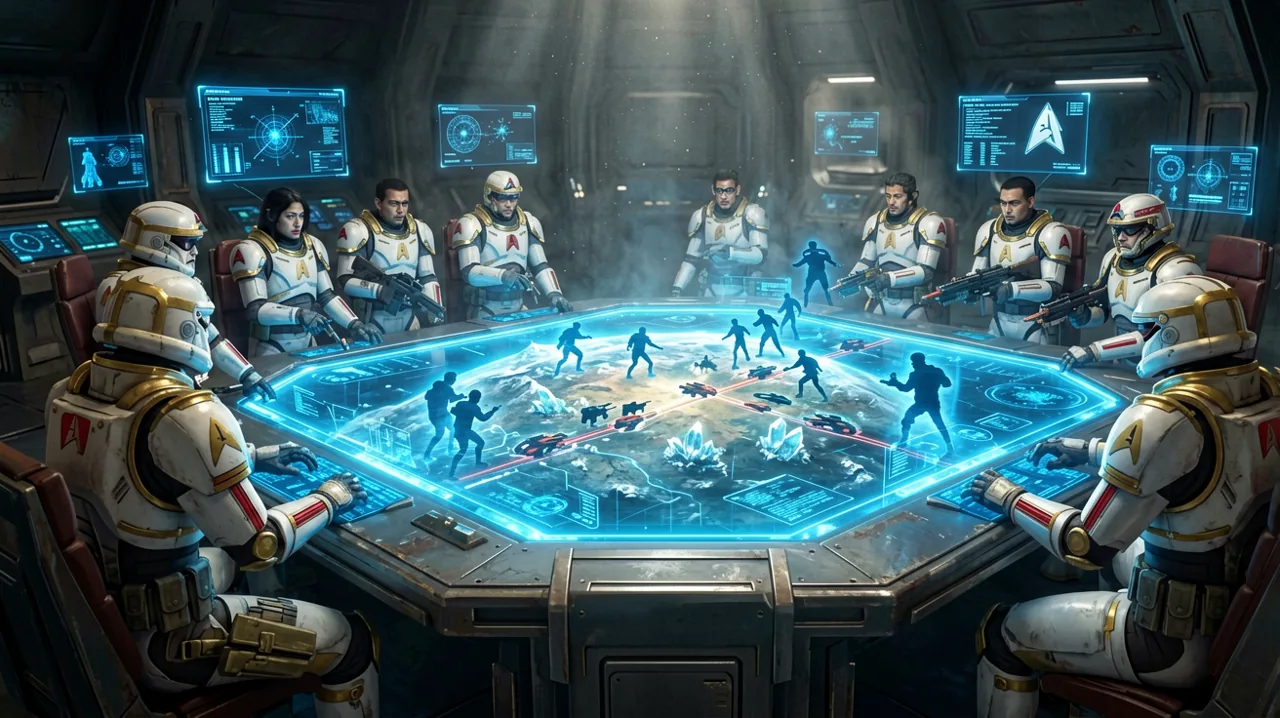
As we rapidly approach the highly anticipated release date of August 27, 2026, the community’s excitement for Star Wars Zero Company has reached a fever pitch. Developed by the strategy veterans at Bit Reactor in collaboration with Respawn Entertainment and Lucasfilm Games, the game is set to launch on PC (Steam, app id 2075800), PlayStation 5, and Xbox Series X|S. Recently, a massive wave of hands-on previews dropped, with numerous outlets spending upwards of 15 hours immersed in the Clone Wars era (20 BBY) tactical combat. Unsurprisingly, this surge of positive press has propelled the game up the Steam wishlists and top seller charts, as reported by enthusiastic fans across the community.
While early discussions heavily categorized Zero Company as simply “Star Wars meets XCOM”—a fair assessment given the confirmed presence of cover mechanics, overwatch traps, and brutal turn-based action points—the latest previews paint a much more eclectic picture. The narrative and mechanical inspirations run significantly deeper than initially expected. From unexpected comparisons to Marvel’s Midnight Suns and Final Fantasy Tactics, to a fascinating revelation about an AMC Revolutionary War television series, Commander Hawks and their customizable squad are bringing something entirely fresh to the genre. We need to analyze these new details and what they mean for your upcoming campaigns against the mysterious antagonist, Kundri Fathom.
The ‘Midnight Suns’ DNA: Deepening Squad Relationships at The Den
In a recent preview from PC Gamer, the author noted that while Star Wars Zero Company is indeed a very safe and competent descendant of the XCOM lineage, “its most interesting parts are found in its Midnight Suns DNA.” For fans of turn-based tactics, this is a massive and exciting revelation that points to robust social systems outside of direct combat.
In traditional tactical games, your base of operations is largely a logistical hub. You research weapons, heal soldiers, and launch satellites. However, Marvel’s Midnight Suns transformed the player’s headquarters into a rich social space where interpersonal relationships, training montages, and narrative choices directly influenced combat synergies. In Zero Company, this social and operational hub is known as The Den.
As Commander Hawks, you aren’t just deploying faceless soldiers; you are recruiting a highly diverse roster of “operatives” from across the galaxy. This includes veteran clone troopers, pragmatic bounty hunters, disillusioned mercenaries, and a wide array of alien species. If the community comparisons hold true, spending time in The Den between high-stakes missions on Christophsis or Umbara will be crucial. We can expect systems where conversing with your operatives, resolving their personal conflicts, and training with them will unlock unique squad synergies on the battlefield.
For example, pairing a heavy-weapons Clone trooper with a nimble Twi’lek scout might initially just provide standard tactical coverage. But if you foster their relationship in The Den, they might unlock a passive synergy—perhaps the scout’s flanking maneuvers automatically grant the heavy trooper an unspent action point for a free overwatch shot. This layered social mechanic forces players to think about best squad composition not just in terms of raw stats, but in terms of narrative bonds. When permanent death is on the line, these relationships ensure that losing a favored operative hits harder than ever, impacting both your emotional investment and your tactical options.
Revolutionary War Tactics in a Galaxy Far, Far Away
Perhaps the most surprising revelation comes from a Variety interview, which states that EA and Bit Reactor’s new game was heavily inspired by an AMC Revolutionary War TV series, alongside a deep love for turn-based tactics. While the exact show (likely drawing thematic cues from Turn: Washington’s Spies) provides a historical baseline, the implications for Zero Company’s gameplay are profound.
The Clone Wars are typically depicted as massive, symmetrical clashes of conventional armies—endless lines of battle droids marching against phalanxes of clone troopers on open battlefields. However, Commander Hawks and Zero Company operate differently. The Revolutionary War inspiration suggests a heavy emphasis on asymmetric warfare, espionage, guerrilla tactics, and sabotage behind enemy lines.
When you deploy your operatives to a heavily fortified Separatist world like Geonosis or the treacherous fungus jungles of Felucia, you likely won’t be engaging in straightforward trench warfare. Instead, expect mission designs that require you to hit hard and fade away. This translates directly into how we utilize the game’s core combat mechanics:
- Flanking and Positioning: Just like revolutionary militias using the terrain to outmaneuver superior British forces, your operatives will need to master verticality and flanking. Pinning down Kundri Fathom’s elite guards with suppressing fire while your stealth operatives slip behind their lines will be paramount for survival.
- Overwatch Ambushes: The element of surprise is a guerrilla fighter’s best weapon. Setting up intricate overwatch kill-zones—where one operative flushes enemies out of cover using a thermal detonator, triggering a cascading series of reaction shots from the rest of the squad—will be your primary method of evening the odds against mathematically superior Separatist forces.
- Hit-and-Run Objectives: Missions may focus less on “rout all enemies” and more on extracting high-value targets, stealing intelligence, or sabotaging shield generators before the enemy can call in overwhelming reinforcements.
This gritty, grounded approach to the Clone Wars, focusing on the mud, the sweat, and the desperate tactical gambles of a small unit, perfectly complements the turn-based strategy framework. For a deeper understanding of how to master these combat systems, review our combat tactics guide.
Echoes of Final Fantasy Tactics and Class Depth
Adding another layer to this mechanical tapestry, MSN recently highlighted comparisons between Zero Company and the legendary Final Fantasy Tactics. While the core shooting mechanics clearly mirror modern tactical cover shooters, the nod to classic JRPG tactical games points toward a deeply robust class and job system.
Zero Company is confirmed to feature twelve distinct classes. If it shares DNA with games like Final Fantasy Tactics, we can expect a highly modular progression system. Rather than operatives being locked into a single rigid upgrade path, players might be able to mix and match abilities from different class trees. Could an operative start as a basic vanguard, only to hybridize into a tech-splicer role, combining close-quarters lethality with the ability to hack enemy droids?
This level of granular customization allows you to tailor every single member of your squad to fit your exact playstyle. Whether you prefer aggressive, close-range breaches or cautious, long-range sniper setups, the synergy between these diverse classes will define your success on the battlefield. Understanding the nuances of each role will be critical, so be sure to review our comprehensive overview of everything we know regarding squad roles.
Tactical Environments: From Felucian Jungles to the Shadows of Umbara
When deploying your hand-picked operatives from The Den, the battlefield itself will be a dynamic, hostile participant in your tactical calculus. The game reportedly features an incredibly diverse array of planetary environments, each presenting unique strategic challenges that require careful pre-mission planning.
Operations on the sun-baked, rocky deserts of Geonosis will likely offer wide sightlines, heavily favoring sniper classes and long-range suppression tactics. In contrast, navigating the claustrophobic, bio-luminescent fungal forests of Felucia will force engagements into terrifyingly close quarters, where short-range blasters, melee-focused operatives, and heavy armor take precedence.
Furthermore, deploying to the perpetual gloom of Umbara will radically alter how you approach combat. On shadow-drenched battlefields, line-of-sight and visibility mechanics are expected to play a massive role. You will likely need to equip your operatives with specialized gear—perhaps night-vision optics, thermal scanners, or flare launchers—before leaving The Den. A perfectly planned flanking maneuver means nothing if your operative blunders blindly into an unseen Kundri Fathom patrol. Meanwhile, the crystalline spires of Christophsis might offer destructible cover environments, forcing you to constantly reposition your squad as stray blaster fire shatters your temporary safe havens.
Gearing Up: The Economy of War
The arsenal available to Zero Company goes far beyond standard-issue blasters. Customizing your operatives means engaging with a deep economy of weapon attachments and armor permutations. We anticipate a robust system where you can meticulously adjust weapon accuracy, thermal clip capacities, and critical hit chances.
Equipping a heavy repeating blaster might drastically reduce an operative’s mobility points, essentially turning them into a stationary turret perfect for locking down corridors with overwatch fire. Conversely, outfitting a scout with a lightweight, customized disruptor pistol ensures maximum mobility for rapid flanking maneuvers. This intricate balance of risk, reward, and resource management at The Den will determine whether your squad returns as decorated heroes or becomes tragic casualties of the Clone Wars.
A Commitment to Diverse and Nuanced Storytelling
Bit Reactor is not shying away from mature, complex themes. In a recent interview with Rock Paper Shotgun, the developers discussed the inclusion of queerness and diverse representation within Zero Company, as well as navigating their development relationship with EA.
In a game fundamentally built around recruiting operatives from all walks of life—each with their own histories, traumas, and motivations during the devastating Clone Wars—authentic representation is key to creating a believable universe. Your squad is a ragtag found family united by war. The inclusion of diverse narratives ensures that The Den feels like a living, breathing microcosm of the galaxy. It reinforces the idea that the Clone Wars affected everyone, not just the politicians in the Core Worlds.
This narrative depth seamlessly integrates with the gameplay. An operative whose backstory involves fleeing persecution or surviving brutal frontline combat will bring those experiences into the squad’s dynamic. It adds immense emotional weight to your tactical decisions. Sending an operative into a dangerous flanking position isn’t just risking a pawn on a chessboard; it’s risking a fully realized character whose story you’ve invested in.
As the August 27 launch date looms closer, the picture of Star Wars Zero Company is becoming brilliantly clear. By weaving the interpersonal base dynamics of Midnight Suns, the deep class customization of Final Fantasy Tactics, and the desperate, asymmetric guerrilla warfare inspired by Revolutionary War history, Bit Reactor is crafting a uniquely ambitious strategy game. The Clone Wars are waiting, Commander.