
Why Star Wars: Zero Company is Attracting Lapsed Fans of the Franchise
Hardcore strategy fans express growing interest in Star Wars: Zero Company, seeing its tactical XCOM-like combat as a refreshing return to form.
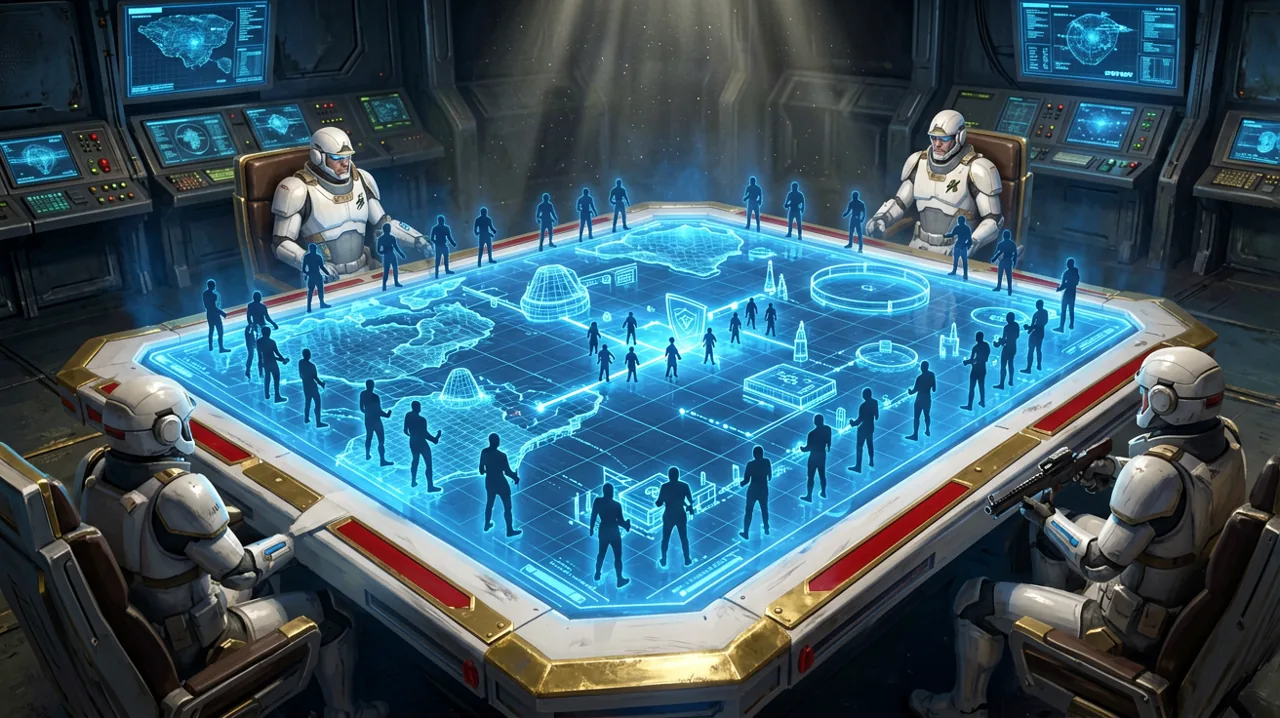
As anticipation builds for the August 2026 release of Star Wars: Zero Company, the game is catching the attention of a demographic that has largely drifted away from recent franchise releases: hardcore turn-based strategy enthusiasts. Community discussions on forums like Reddit show a clear trend of players who previously lost interest in the franchise now showing genuine curiosity, driven entirely by the promise of deep tactical gameplay.
Hooking the Hardcore Tactics Audience
For many strategy fans, the attraction has little to do with brand loyalty and everything to do with the developer’s design choices. On the r/StrategyRpg subreddit, community members have noted that the game’s marketing is finally reaching audiences who typically ignore action-heavy titles. The appeal lies in how closely the turn-based mechanics mirror the golden standard of squad tactics.
Rather than relying on flashy cinematic action, the focus is on grid-based movement, flanking maneuvers, and carefully coordinated squad setups. This focus on mechanical depth makes it easy to draw direct comparisons to classic tactical franchises. Players looking for similar experiences often explore how the game fits into the landscape of games like Zero Company, where strategic decision-making takes precedence over quick reflexes.
The Hardware Hustle: Preparing for 2026
The game’s visual ambition and detailed Clone Wars battlefields are also prompting players to assess their hardware setups. On hardware advice forums, users are already factoring Zero Company into their purchasing decisions, categorizing the tactical title alongside resource-heavy upcoming games.
For instance, students looking for mid-range gaming laptops in the £1,100 ($1,400) range are prioritizing performance to ensure they can run the game smoothly. While basic system requirements provide a general baseline, the community is expecting that running the game with high-fidelity visual effects and complex physics simulations will require a dedicated modern GPU. Given that real-world performance optimization is not yet confirmed by independent benchmarks, upgrading early seems to be a popular precaution for fans who want to play on day one.
Bridging the Franchise Gap
The shift in attitude among lapsed fans highlights a broader pattern: tactical depth can bridge gaps where narrative-heavy media might fail. By stripping away some of the superhero-like invulnerability often seen in modern Star Wars games and replacing it with lethal cover-to-cover combat, the developers are targeting a different set of stakes.
In Zero Company, players must coordinate positioning, manage lines of sight, and leverage individual squad synergies to survive. For those who want to understand how these systems stack up against genre titans, looking at the direct XCOM comparisons shows just how much DNA the game shares with classic PC tactics. Succeeding in these missions will require a solid grasp of the game’s core tactics, which are explored in detail within the combat tactics guide.
With the release date set for late August 2026, the success of the game may well depend on whether these skeptical strategy veterans find the tactical execution as robust as the trailers suggest.