
One Month of Star Wars Zero Company: Massive Community Milestones and What Comes Next
As Bit Reactor's tactical hit turns one month old, we look at the staggering 19 million community visits, its solid 85 average score, and where the franchise might go next.
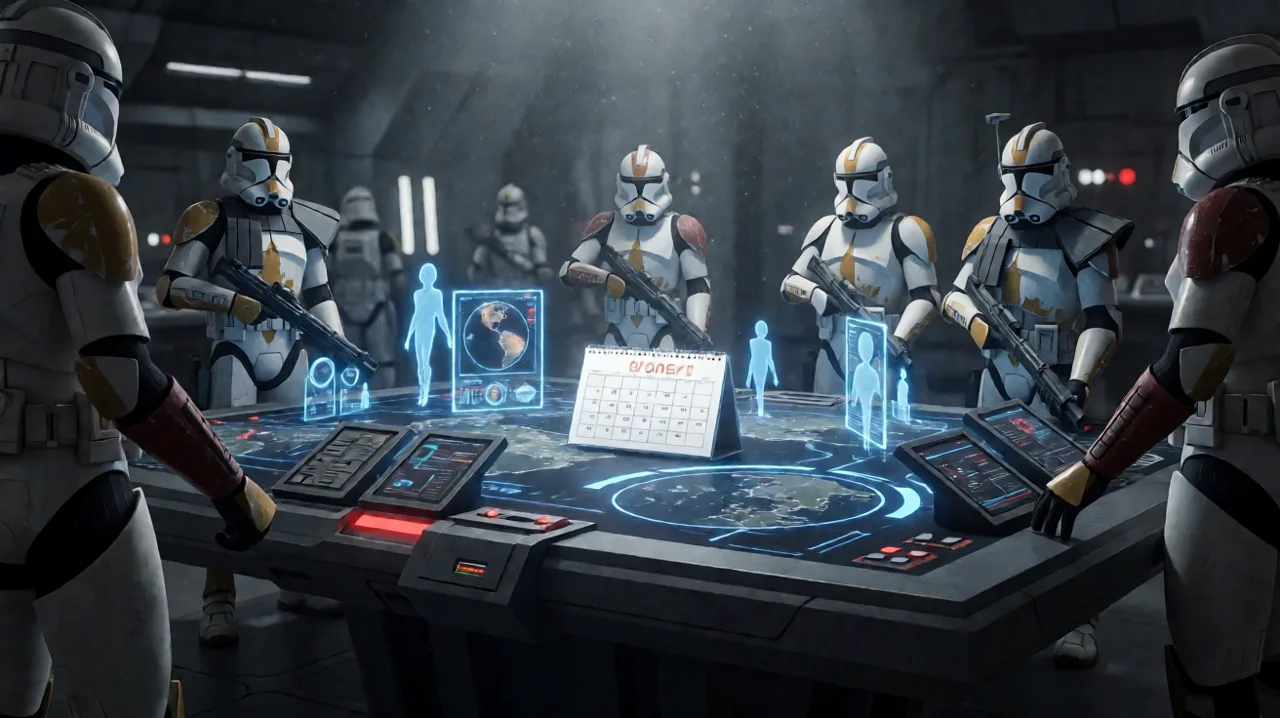
It has officially been 30 days since Commander Hawks and their custom squad first deployed onto the battlefields of the Clone Wars. When Bit Reactor and Electronic Arts launched Star Wars Zero Company in late August, the promise was a deep, uncompromising turn-based tactical experience—a spiritual successor to genre titans that would force players to think carefully about cover, action points, and squad synergy. One month later, the dust has settled on planets from Christophsis to Umbara, and the results are speaking for themselves.
As the initial launch frenzy transitions into a sustained endgame phase, we are getting a clearer picture of the game’s long-term health. From staggering community engagement metrics and solidified critical consensus to ongoing technical feedback and early rumblings about the future, the first 30 cycles of Zero Company have been incredibly eventful.
19.2 Million Visits and a Thriving Tactical Hub
The most striking indicator of the game’s success isn’t just unit sales; it is the sheer volume of active, daily discussion surrounding squad management and combat tactics. According to a recent moderation update on the official r/ZeroCompany subreddit, the community hub has seen a massive 19.2 million visits in just its first month.
During this 30-day window, players generated over 115,000 comments and published more than 6,000 unique posts. This level of engagement highlights exactly why the turn-based tactics genre pairs so beautifully with the Star Wars universe. Players aren’t just discussing the linear narrative against Kundri Fathom; they are heavily invested in the granular mechanics of running a mercenary outfit.
The subreddit moderators noted that they have had to add specific flairs for “Modding” and “Operator Drip” to handle the influx of content. The latter is particularly interesting, showcasing how deeply players are engaging with the customization systems inside the Den. Recruits aren’t just disposable pawns; players are spending hours customizing their Twi’lek snipers, Clone heavy gunners, and Trandoshan assault specialists. If you are struggling to figure out which classes pair best visually and mechanically, check out our Best Squad Composition overview to optimize your roster before your next deployment.
Furthermore, marking the one-month anniversary, the community has officially relaxed its spoiler rules. Players can now openly discuss the campaign’s late-game twists and boss mechanics without restrictive tags. However, the moderation team prudently noted that in the event of any future story DLC, a strict one-month embargo would be reinstated—a subtle nod to the fact that the community is already hungry for more content.
Securing the Critical Consensus
While fan enthusiasm is high, the critical reception has also stabilized into a very respectable bracket. As the initial wave of reviews has locked in, Zero Company finds itself comfortably positioned among the year’s top-tier releases.
A recent compilation on the r/TheGameAwards subreddit tracking games with a high volume of reviews highlighted that Zero Company is currently sitting at a solid 85 average across 66 recorded critical reviews. In the context of modern game releases, maintaining an 85 with a large sample size of over 50 outlets is notoriously difficult, especially for a complex, systems-heavy tactical game that demands 30 to 40 hours of focused gameplay.
This score validates Bit Reactor’s core design philosophies. Taking the beloved XCOM-like framework and adapting it for the Clone Wars era—complete with a 3-Action Point system, devastating flanking maneuvers, and intricate class synergies—has paid off. Reviewers and players alike have praised the strategic depth, proving that there is a massive appetite for methodical, cerebral Star Wars experiences that don’t rely entirely on lightsaber action.
The Lingering Tactical Friction: Overwatch Issues
However, the first month hasn’t been entirely flawless. While the massive 1.1 Update earlier this month addressed critical save corruption issues and the infamous “100% hit chance” bug, the community is still reporting some persistent mechanical friction, particularly regarding the Overwatch system.
Overwatch—the mechanic that allows operators to reserve action points to shoot enemies moving through their line of sight on the enemy turn—is fundamental to advanced tactics. Holding chokepoints on Geonosis or preventing melee rushes in the fungal jungles of Felucia relies entirely on your squad’s ability to lock down fire lanes.
Recent clips circulating in the community show that Overwatch “jank” is still occurring. Players are reporting instances where the camera glitches, animations desync, or operators simply fail to trigger their reaction shots despite clear lines of sight. For players engaging with the standard campaign, this is a minor annoyance. But for veterans attempting the punishing permadeath “Beskar Mode,” a single failed Overwatch trigger can lead to the permanent loss of a high-level operator.
Some dedicated players are actively putting their Beskar Mode runs on hold until Bit Reactor deploys another hotfix specifically targeting reaction fire stability. If you are currently navigating these higher difficulties, relying heavily on active defensive buffs and hard cover might be safer than trusting a buggy Overwatch trigger. For more reliable strategies that don’t rely purely on reaction fire, our Combat Tactics Guide breaks down alternative ways to control the battlefield.
Looking Ahead: Sequels and Expansions
With the core game proving to be a critical and commercial success, the conversation is inevitably shifting toward what comes next. While Bit Reactor and EA have not officially confirmed any post-launch expansions or a full sequel, the speculation has already begun.
Major outlets like TheSixthAxis are already publishing exploratory pieces on where a Star Wars Zero Company sequel could go. The beauty of the customizable squad structure is that it is highly portable. Commander Hawks and their surviving operators could easily take the Den to new theaters of war.
Could a potential expansion keep us firmly in the 20 BBY timeline, focusing on the outer rim sieges and introducing new operative species? Or could a hypothetical sequel jump forward in time, forcing the Zero Company to navigate the treacherous early days of the Galactic Empire, perhaps transitioning from military contractors to rebel sympathizers? The mechanics of resource management, base upgrading, and tactical skirmishes would translate flawlessly to a scenario where the squad is actively evading Imperial Inquisitors.
For now, this remains purely speculative. Bit Reactor is likely focused on technical stability, squashing the remaining bugs, and observing how the player base interacts with the late-game economy. But the fact that both the media and the community are already preparing rules and wishlists for future content speaks volumes about the foundation that has been built.
As we move into the second month of Zero Company, the focus will shift from simply surviving the campaign to true mastery. Players will continue to refine their builds, optimize their base upgrades, and perhaps dabble in the growing PC modding scene. Whether we get official DLC in the coming months or just continued stability patches, one thing is certain: the tactical side of the Star Wars galaxy has never been more vibrant.